How to Enjoy Classic Gin and Tonics at a Gin Bar NYC

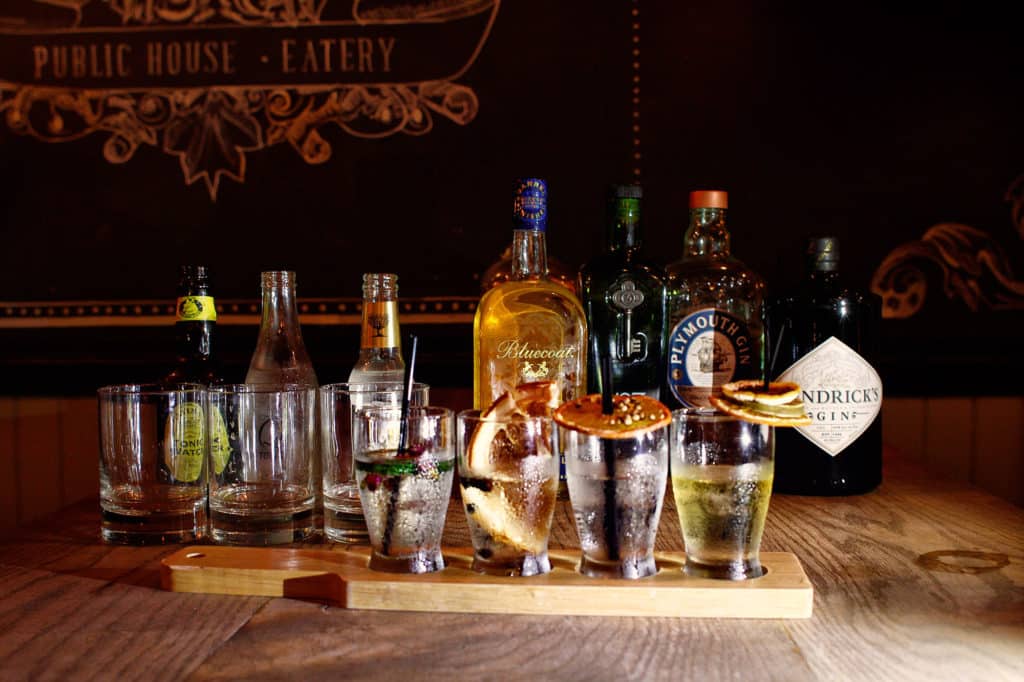
A great gin and tonic looks effortless. Clear glass, plenty of ice, a bright slice of citrus, a stream of bubbles climbing through the drink. Then you take a sip and realize why people keep coming back to it. Done well, it is lean, aromatic, bitter in the right places, cold all the way through, and somehow both simple and layered at once.
That balance is exactly why the drink can feel deceptive in a busy New York setting. Walk into any good Gin Bar NYC regulars talk about, and you will see a back bar full of bottles with different botanicals, different proof levels, different textures, and different stories. Add tonic options, garnishes, glassware, and the style of the bartender behind the stick, and suddenly the most familiar order in the room becomes one of the most nuanced.
If you want to enjoy classic gin and tonics at a high level, it helps to know what you are tasting and what to ask for. You do not need a certification or a rehearsed speech. You need a little attention, a little curiosity, and enough confidence to let the bar guide you toward the version that suits your palate.
Why the classic gin and tonic still earns its place
The gin and tonic survives trends because it does something many cocktails fail to do. It refreshes without becoming bland. It has bitterness, but not enough to turn medicinal. It has aroma, but it does not feel perfumed when the proportions are right. It can work before dinner, with food, late at night, or during a slow afternoon when you want one drink and want it to count.
There is also a practical reason it shines in New York. A city bar has to move. Even excellent cocktail bars feel pressure during peak hours. A classic gin and tonic, in capable hands, can be built quickly without sacrificing quality. That matters. The best bars know which drinks can be simple and still exacting. You are not ordering a compromise when you order a G and T. You are ordering one of the clearest tests of a bar’s fundamentals.
I have had superb gin and tonics in polished hotel lounges, cramped neighborhood bars, and serious gin-focused rooms where the bartender could talk for fifteen minutes about juniper origin. The setting changes. The markers of quality do not. Cold glass helps. Dense ice matters more than most guests realize. Fresh tonic matters. Proportion matters even more.
Start by understanding what “classic” means
When people say “classic gin and tonic,” they usually mean a straightforward highball built from gin, tonic water, ice, and a modest garnish, often lime or lemon. Not oversized fruit salads clipped to the rim. Not smoke, foam, tincture clouds, or a dramatic flourish that distracts from the drink itself. A classic version should highlight gin’s botanical structure and tonic’s quinine bitterness while keeping the finish crisp.
Classic does not mean identical from bar to bar. Some bartenders pour a drier style with a firmer quinine edge. Others soften the bitterness with a slightly gentler tonic or a more citrus-forward gin. In Spain, the copa glass presentation pushed the drink toward larger serves and aromatic garnishes. In London, you may get a stricter build. In New York, you can encounter both approaches in the same neighborhood.
That is why the best move is not to chase a single “correct” version. Instead, learn the boundaries of the drink. Once you know what makes it work, you can enjoy the small variations rather than getting thrown by them.
A balanced classic usually lands somewhere close to a ratio that lets tonic remain present without drowning the spirit. Some drinkers like a leaner, stronger pour. Others want more tonic and less intensity. Both are reasonable. What matters is that the gin still tastes like gin, the tonic still tastes bright and bitter, and the bubbles are alive when the drink reaches your table or barstool.
Picking the right bar matters more than chasing the largest gin list
A long gin menu looks impressive, but a thousand bottles do not guarantee a better drink. I would rather sit at a bar with a thoughtful core selection, fresh tonic, disciplined prep, and bartenders who can speak plainly about flavor than at a place with a museum of dust-covered bottles and weak execution.
In a strong Gin Bar NYC drinkers recommend to friends, you will usually notice a few things quickly. The ice program looks deliberate. Citrus is cut fresh and stored properly. Staff can explain differences between London dry, contemporary citrus-forward styles, and more floral or savory expressions without sounding like they memorized tasting cards. Most important, they ask a useful question or two after you order.
If you say, “I’d love a classic gin and tonic, crisp and dry,” a good bartender will know what to do. If you say, “I usually like something softer and less piney,” that also gives them enough to steer you. The interaction does not need to be long. It just needs to be specific.
There is an old hospitality habit of overexplaining gin to guests who did not ask for a seminar. The better bars avoid that. They read the room. If you want details, they have details. If you want a good drink in two minutes, they can deliver that too.
What the gin contributes, beyond juniper
Juniper is the backbone, but gin’s personality goes far beyond that one note. In a gin and tonic, the spirit’s character is exposed because there is nowhere to hide. Sweet syrups and dense modifiers are not there to cover rough edges. Tonic can amplify certain botanicals and flatten others, which is why a gin that tastes beautiful neat does not always make the best G and T.
London dry styles often give the cleanest, most classic result. They tend to offer a firm juniper core, citrus lift, and a dry finish that plays well with bitter tonic. This is the style I usually recommend for guests who want the textbook version.
Contemporary gins can be excellent, but they vary more. Some lean hard into grapefruit or orange peel. Some bring lavender, cucumber, olive, rosemary, or black pepper forward. These can make memorable gin and tonics, though they may drift away from what most people picture as “classic.” There is nothing wrong with that, provided you know what you are ordering.
Proof also matters. Lower-proof gins can taste delicate in a G and T, especially over a long pour of tonic and a lot of ice. Higher-proof gins hold their shape better, but they can dominate if the tonic choice is too mild. This is one of those trade-offs experienced bartenders manage instinctively. Guests often only notice the result, not the decision behind it.
If you tend to enjoy martinis, especially dry ones, you may prefer a sturdier gin in your tonic. If you mainly drink spritzes, white wine, or lighter highballs, a softer botanical profile may suit you better.
Tonic is not a background ingredient
People spend ten minutes discussing gin and then treat tonic like carbonated filler. That is a mistake. Tonic is half the drink or more, and it can either sharpen the spirit or wash it out.
Classic tonic carries bitterness from quinine, sweetness to make that bitterness drinkable, and enough carbonation to keep the drink lifted. Different tonic waters vary in sweetness, bitterness, bubble size, and finish. Some taste almost citrusy on their own. Some push quinine aggressively. Some are smooth but a little flat when paired with a bold gin.
Freshness matters. An opened bottle of tonic loses energy quickly. At a good bar, the staff knows this and builds with tonic that still has snap. The difference is obvious. The drink feels brighter and more vertical, if that makes sense. The aromas rise, and the bitterness lands cleanly instead of slumping into syrupy sweetness.
The best bars also know that not every tonic suits every gin. A strongly bitter tonic can be fantastic with a rich, citrus-led London dry. The same tonic might bully a delicate floral gin. A softer tonic can make a subtle gin feel elegant, but it might leave a punchier gin tasting broad and sweet.
This is where a short conversation helps. You are not being difficult if you ask which tonic the bar usually pairs with a classic London dry, or whether they have a drier option. You are giving the staff a chance to make the drink better.
Ice, temperature, and glassware do real work
Most people underestimate ice because it disappears into the background of the drink. In reality, it controls dilution, temperature, and texture. A proper gin and tonic should be thoroughly cold from the first sip to the last. If the ice is wet, shattered, or sparse, the drink starts dying the moment it is poured.
Large, solid cubes are ideal because they chill efficiently and melt more slowly. A glass packed with quality ice may look excessive to some guests, but it is exactly what keeps a highball lively. More ice often means less dilution, not more. That surprises people until they taste the difference side by side.
Glassware shapes the experience too. The tall highball remains the cleanest classic presentation. It preserves carbonation well and keeps garnish restrained. The balloon-style copa glass creates more aromatic surface area and accommodates larger garnishes, which can be lovely, though it can also encourage overgarnishing. For a truly classic mood, I still prefer the highball.
Temperature is the thread tying this together. Warm gin, room-temperature tonic, and a barely chilled glass create a slack drink no garnish can fix. When a bar respects the cold chain, the G and T tastes taut, bright, and purposeful.
The garnish question, and when less really is more
Garnish should support the gin, not turn Gin Bar NYC the drink into potpourri. This is the area where bars often overshoot because guests respond visually to abundance. A wheel of lime, a swath of lemon peel, or a modest grapefruit twist can all work beautifully. A bouquet of herbs, strawberries, cucumbers, edible flowers, and peppercorns in one glass usually does not.
A useful rule is to think in terms of reinforcement. If the gin has strong citrus botanicals, citrus garnish makes sense. If the gin carries pronounced herbal notes, a restrained herb garnish can be effective. The garnish should bring one clear idea into focus.
I once watched a bartender remake a gin and tonic because the first version, while technically sound, had too much rosemary for the style of gin. The second drink used a thin lemon peel instead. Same gin, same tonic, same ice. The difference was striking. The piney rosemary had blurred the spirit’s cleaner botanicals. Lemon sharpened everything. That is how small choices change the entire read of the drink.
If you are unsure, ask for the garnish on the lighter side. You can always express an extra peel over the glass later. It is much harder to pull an overbearing herb aroma out once it has taken over.
How to order without sounding rehearsed
You do not need a script, but a little precision helps. Instead of saying only “gin and tonic,” give the bartender one or two cues about what you like. That makes the exchange easier for everyone.
Here are a few examples that work well at the bar:
- “I’d like a classic gin and tonic, dry and crisp.”
- “Can you make me a G and T with a more juniper-forward gin?”
- “I like citrus, but not anything too floral.”
- “What gin do you recommend if I want something classic and clean?”
- “Easy on the garnish, please.”
That is enough information to get you a much better drink than a vague order ever will. If the bar has an especially deep selection, you can also ask for two or three gin suggestions and pick the one whose description sounds right. Most experienced bartenders appreciate that kind of direct, low-drama curiosity.
One caveat, if the room is three-deep on a Friday night, this is not the moment to request a full tasting dialogue. Keep it short. Save the deeper conversation for quieter hours, when the bartender can actually give you attention.
Timing changes the drink more than people expect
The same gin and tonic can feel completely different at 5:30 p.m. And at 11:30 p.m. Early evening is when I think the drink performs best. Your palate is still fresh. The room is calmer. The bartender has more bandwidth. Carbonation and dilution may sound like technical details, but they are easier to get right when the entire bar is not under peak strain.
Late night is a different game. You can still get an excellent drink, but service speed matters more, and bars may lean on house defaults rather than individualized recommendations. That is not a flaw. It is just the reality of volume.
If you want to learn a bar’s style, go during an off-peak window. Sit at the bar if possible. Order one classic gin and tonic and pay attention. Notice the garnish, the amount of ice, the tonic brand if visible, and the bartender’s gin choice if you asked for a recommendation. That single drink will tell you a lot about the place.
Drinking it with food, which many people overlook
A classic gin and tonic is one of the best food-friendly drinks at a bar, provided the bitterness is in balance. It works especially well with salty, briny, fried, and herb-driven dishes. Oysters, olives, potato chips, fried calamari, roast chicken skewers, and simple cheeses all make sense. The bubbles cleanse the palate, and the bitterness can cut through richness in a way sweeter cocktails cannot.
Spicy food is more complicated. Tonic’s bitterness can accentuate heat, and a high-proof gin can intensify that effect. If you are eating something seriously spicy, you may want a softer tonic, a slightly lower-proof gin, or even a different drink altogether. This is one of those edge cases where “classic” may not be the perfect choice.
Dessert is another awkward pairing. A gin and tonic rarely flatters sweets, especially chocolate-heavy desserts. If you are heading that direction, finish the G and T first and switch gears.
Common mistakes that flatten the experience
The biggest mistake is treating all gin and tonics as interchangeable. They are Gin Bar NYC not. A well-built version has shape and energy. A careless version tastes like cold bitterness and little else.
Another common error is assuming expensive gin always makes the best drink. Price and quality do not line up neatly in a G and T. Some premium gins have delicate or idiosyncratic botanicals that get lost under tonic. Meanwhile, a reliable mid-range London dry can sing in the glass. I have seen guests order the priciest bottle on the menu and get a less satisfying drink than the person beside them who trusted the bartender’s recommendation.
Overgarnishing is near the top of the list. So is under-icing. And there is one mistake guests make that bars cannot fix after the fact, nursing the drink too slowly. A gin and tonic is not meant to sit for half an hour while you talk through three rounds of plans. Drink it while it is cold, carbonated, and structurally intact. It is a short-window cocktail.
What to pay attention to on the first sip
When the drink arrives, take a second before diving in. Smell it first. You should catch the gin’s botanicals and the garnish, but neither should smell aggressive. On the palate, the opening should feel brisk rather than sugary. Mid-palate is where the gin’s character should show itself, juniper, citrus, spice, florals, or herbs, depending on the style. The finish should be clean, lightly bitter, and inviting to another sip.
If the drink tastes dull, two possibilities are most likely. Either the tonic is flat, or the dilution is already too far along. If it tastes harsh, the ratio may be off, or the garnish may be fighting the spirit. If it tastes sweet but somehow empty, the tonic is probably dominating.
You do not need to announce a technical critique unless something is clearly wrong. But it is worth noticing these elements because they will help you order better the next time.
Building your own preference over time
The most enjoyable way to approach gin and tonics is to let your palate become more specific. Maybe you discover that you strongly prefer lemon to lime in a classic build. Maybe you realize you like assertive quinine but only with drier gins. Maybe you find that cucumber, while popular, consistently takes the drink somewhere you do not want it to go.
That is how regulars become easy to serve. They know a little about themselves. Bartenders love that. “I like a dry London dry with lemon and plenty of ice” is a dream order because it gives clear direction without trying to do the bartender’s job.
If you are exploring a serious Gin Bar NYC scene for the first time, start with the classics before moving into novelty. Order one textbook version. Then, on another visit, try a different gin with the same tonic, or the same gin with a different garnish if the bar is willing. Small changes teach you more than dramatic departures.
A classic gin and tonic rewards attention because it is transparent. It does not hide choices. Every decision, the bottle, the tonic, the ice, the garnish, the ratio, lands in your glass with very little camouflage. That is what makes the drink so enduring, and so satisfying when it is done right. At a good bar in New York, that first cold sip can still feel like one of the smartest orders in the room.
The Winslow
243 E 14th St
New York, NY 10003, United States
Phone: +1 212-777-7717
FAQ About Gin Bar NYC
How to do a gin tasting?
Start with a small pour and gently smell the gin before taking a small sip. Notice its juniper, citrus, floral or spice notes, then compare how the flavor changes with a little water or tonic. At a gin bar, ask the bartender to explain the selection and botanical pairings.
How to make the best tasting gin and tonic?
Use chilled gin, fresh tonic and plenty of ice. A common starting ratio is one part gin to two parts tonic, adjusted to taste. Choose a garnish that complements the gin's botanicals and stir gently to preserve the bubbles.
What is the smoothest tasting gin?
There is no single smoothest gin for everyone. Perceived smoothness depends on the botanical recipe, alcohol strength, serving temperature and mixer. Describe whether you prefer citrus, floral, herbal or juniper-forward flavors so a bartender can suggest a suitable style.