How Lighting Can Elevate a Bar With Private Room
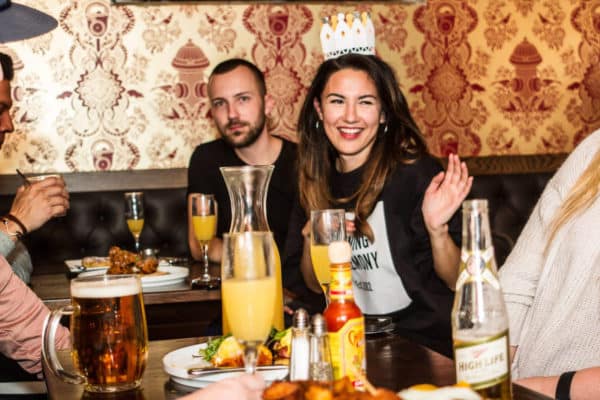
A well-designed bar can survive mediocre lighting for a while. It can hide behind a strong drinks program, a good address, or a crowd willing to forgive rough edges. A bar with a private room does not get the same leniency. The moment you add a separate room, expectations shift. Guests start reading the space more carefully. They are no longer just ordering a round and leaning into the noise. They are hosting birthdays, deal dinners, engagement parties, tastings, after-work gatherings, and low-key celebrations where atmosphere matters almost as much as service.
Lighting is what makes that atmosphere feel intentional.
I have seen beautifully built private rooms fall flat because the overhead fixtures were too bright, too cold, or too static. I have also seen fairly ordinary rooms become the most requested space in the venue simply because the lighting was handled with taste. People often notice this only indirectly. They say the room feels warm, flattering, expensive, or easy to relax in. What they are often reacting to is the light.
For operators, designers, and owners, this matters because a private room is not just extra square footage. It is a premium environment. If it photographs poorly, makes guests squint, or leaves the table in shadow while the walls glow like an office corridor, it weakens the entire proposition. If it is lit properly, it becomes a revenue driver and a memorable part of the brand.
The private room changes the job of lighting
The lighting strategy in the main bar and the lighting strategy in a private room should be related, but they should not be identical. In the main space, energy usually comes from movement, contrast, and layered brightness. Guests expect a certain amount of visual stimulation. A little darkness can feel seductive. A little glare can be tolerated. Sound, motion, and crowd density carry part of the atmosphere.
Inside a private room, the bar loses those advantages. The room has to stand on its own. Guests are seated longer, look at one another more directly, and use the space for different kinds of interaction. Someone may be giving a toast. A host may want the room to feel festive at 8 p.m. And calm at 10 p.m. One group may want a presentation screen, while another wants candlelit intimacy. Lighting has to be more flexible because the room has to perform more jobs.
That is why the best private rooms are not simply darker or brighter versions of the main bar. They are more responsive. The lighting supports conversation, food and drink presentation, faces, and the changing rhythm of the event.
Good lighting starts with faces, not fixtures
When people evaluate a room emotionally, they usually start with faces. If everyone looks tired, washed out, or shadowed from above, the room feels wrong even if the finishes are expensive. If skin tones look warm and balanced, guests relax almost instantly.
This is one of the most common mistakes in hospitality lighting. Owners focus on the decorative pendant or the dramatic wall sconce and forget what the light is actually doing to people. A fixture can look impressive on a specification sheet and still produce harsh downward light that deepens eye sockets and creates unflattering shadows under the chin. That might work over a bar back. It does not work in a private room where guests are talking across a table for two hours.
Warm color temperature usually serves these spaces better. In many bars, somewhere around 2200K to 3000K feels comfortable, depending on the finishes, ceiling height, and whether food service is part of the offer. The lower end can feel intimate and amber-rich, especially in a room with wood, brass, leather, or deep paint tones. The higher end can help if the room hosts meetings or needs cleaner visibility for menus and presentations. There is no single correct number, but there is a reliable principle: faces should look healthy, not gray or orange, and the room should not drift into the sterile feel of a conference suite.
Color rendering matters too. If a venue is serving cocktails, wine, charcuterie, or plated food, poor rendering flattens everything. Reds become muddy. Garnishes lose freshness. Wood loses depth. Guests may not know the technical term CRI, but they can absolutely sense when the room makes drinks and dishes look less appetizing.
Layering light creates the sense of luxury
Most rooms fail because they rely on one source of light. Usually that source is a grid of downlights doing all the work. It is efficient, simple, and almost always disappointing.
Luxury in a private hospitality room rarely comes from brightness. It comes from layers. Ambient light establishes the base level of comfort. Accent light gives the room shape and draws the eye to architectural features, shelving, artwork, or a bottle display. Task light makes the table usable. Decorative light adds personality and a signature. When these layers are balanced, the room feels composed rather than merely illuminated.
Think about how guests enter a private room in a bar. They often pause for a second. They take in the table, the back wall, the drinks setup, maybe the sparkle of glassware. A room with layered lighting gives them focal points. It creates a visual hierarchy. That is what makes a smaller room feel designed instead of tucked away.
I once worked with a venue that had spent heavily on millwork in its private room, with ribbed walnut paneling and a custom banquette. Yet the entire space was lit by four centered downlights and a pair of decorative sconces that barely cast any useful light. The wood looked flat. The banquette disappeared into shadow. After a relatively modest retrofit, adding concealed LED strips in shelving, lowering the output of the downlights, and introducing a dimmable pendant above the center table, the room started booking at a noticeably higher rate. The finishes had always been there. The light finally gave them presence.
Dimming is not a luxury feature, it is an operating tool
If there is one control that consistently pays for itself in a bar with private room, it is proper dimming. Not a single wall switch with "on" and "off." Real dimming, ideally scene-based, that allows staff to move the room through the evening without guesswork.
Private rooms have changing moods. Daytime corporate rental, early dinner, birthday cocktails, a speech, cake service, and late-night afterparty all ask for different levels of light. The room should be able to shift with those moments in a way that feels effortless.
The practical scenes are usually straightforward:
- Arrival mode, bright enough for orientation and first impressions
- Dining mode, warm and lower, with clear visibility on the table
- Speech or presentation mode, slightly raised with attention directed toward the speaker or screen
- Celebration mode, more dramatic and intimate
- Reset mode, brighter for staff turnover and cleaning
That kind of programming removes friction for the team. Instead of adjusting four separate dimmers while guests wait, staff can press a preset and move on. It also protects the brand. A room that is accidentally left at daytime brightness at 9 p.m. Can kill the atmosphere in seconds.
The caution here is overcomplication. If controls are too clever, staff will ignore them. I have seen beautifully engineered systems reduced to permanent use of one setting because nobody on the floor trusted the interface. The best lighting controls in hospitality feel almost invisible. They are intuitive, quick, and backed by a short training routine that every shift can remember.
The table is the emotional center of the room
No matter how attractive the walls or ceiling are, the table usually holds the social energy. That is where drinks land, where guests lean in, where the host sits, and where the camera points when someone takes a photo. If the tabletop is poorly lit, the room underperforms.
There is a balancing act here. Too much direct light and glassware sparkles harshly, labels glare, and everyone feels overexposed. Too little and menus become a struggle, cocktails lose detail, and guests start using their phones as flashlights. The sweet spot is enough illumination for usability, softened and shaped so it still feels intimate.
Pendant lighting can work beautifully over a central table if scale, drop height, and beam control are handled properly. In a low-ceiling room, however, pendants can become visual clutter or even a practical nuisance. In those cases, recessed fixtures with careful aiming, supplemented by indirect light and perhaps a small decorative source, often produce a cleaner result.
Candles can help, but they should not be expected to carry the room. Real flame gives movement and romance, yet it is accent, not infrastructure. Battery candles can be useful in certain operations, though cheap ones often flicker unnaturally and undermine the effect. If candlelight is part of the brand, invest in versions that read convincingly at close range.
Lighting affects acoustics more than people think
This sounds counterintuitive until you spend time in event spaces. Light changes how people occupy a room, how long they stay seated, and how energetically they behave. A private room blasted with bright overhead light often encourages a louder, less settled energy. A room with controlled, warm lighting tends to slow people down just enough to improve conversation. It does not literally absorb sound, of course, but it influences the way guests use the space.
There is also a psychological effect on perceived privacy. In a bar with private room, people want a sense of separation from the main venue even if the room is adjacent to it. Lighting helps create that separation. A subtle drop in light level, more focused pools of illumination, and reduced spill at the threshold can make the room feel enclosed and exclusive. Guests register that as privacy, even before they think about door seals or acoustic panels.
The transition from bar to private room matters
One of the most overlooked lighting moments is the passage into the room. If the threshold is abrupt or awkward, the private room can feel disconnected. If it is handled well, the room feels discovered.
This can be as simple as controlling contrast. If the main bar is dark and the private room is much brighter, entering it can feel like stepping into a function hall. If the private room is dramatically darker than the bar, guests may hesitate at the door or feel the room is underlit before they even sit down. The transition should feel intentional, like a shift in mood rather than a lighting accident.
Doorways, vestibules, curtains, and short corridors benefit from gentle cues. A wall washer, a small decorative fixture, or a softened ceiling light can guide people without over-announcing the move. The point is to prepare the eye and create anticipation. This is especially effective in venues that trade on exclusivity. The room feels like an experience rather than overflow seating.
Materials and finishes change everything
Lighting cannot be designed in isolation. A dark green velvet wall, a mirrored back bar, polished stone, smoked glass, and matte plaster all respond differently. The same fixture package can feel moody and rich in one room, then glaring and cold in another.
Private rooms often include more premium materials than the main bar because they are easier to justify in a smaller footprint. That is an advantage, but only if the lighting respects the surfaces. Glossy tables need careful control to avoid hotspot reflections. Mirrors can double light levels and expose bad aiming. Brass and amber glass can enrich warm light, while blue-gray stone may need a slightly different balance to avoid feeling lifeless.
I generally advise mockups whenever possible, even informal ones. A sample board taken into the actual room under proposed lamping will reveal far more than a rendering. You quickly see whether the timber glows, whether the upholstery absorbs too much light, or whether the artwork disappears after dimming. These discoveries are cheap before installation and expensive afterward.
Photography and social sharing are now part of the brief
No operator should design a private room solely for Instagram, but pretending photography does not matter is unrealistic. Guests book private spaces for occasions. Occasions get photographed. If the room consistently produces muddy, yellow, or high-contrast images, the venue loses a powerful form of organic marketing.
This does not mean flooding the room with bright white light. It means creating balanced, flattering conditions. Faces need enough front or side illumination to read on camera. Backgrounds need depth. Decorative points of light should sparkle without clipping into bright blobs. A guest should be able to take a group photo at the table and get something usable without activating a brutal flash.
One of the smarter approaches is to build one or two subtly "camera-friendly" moments into the room. That might be a textured back wall with soft accenting near the entry, or a banquette area lit in a way that flatters seated groups. Guests naturally gravitate to these spots, and the room starts advertising itself through their images.
Energy efficiency should support mood, not override it
There is sometimes tension between efficiency targets and hospitality goals. Operators want lower energy use and longer lamp life. Designers want atmosphere. These are not mutually exclusive, but efficiency should not become an excuse for flat, generic light.
Modern LED systems are capable of excellent results if specified carefully. The problem is not the technology. The problem is value engineering that strips out dimming quality, reduces color accuracy, or substitutes fixtures with poor optics. In a private room, those shortcuts show up immediately. The room may technically meet operational requirements while feeling emotionally dead.
A sensible approach looks at total cost rather than first cost alone. If a slightly better driver or higher-quality fixture gives smoother dimming, cleaner color, and fewer maintenance headaches, it usually earns its keep. This is especially true in hospitality, where a premium room exists to generate margin, not just fill a floor plan.
Common mistakes that weaken a private room
Some errors appear again and again, even in otherwise polished venues. They are worth catching early because they are harder to fix once the room is trading.
- Relying on downlights alone, which makes the room feel flat and exposes every guest from above
- Setting the light level for cleaning or setup rather than for occupancy
- Using a color temperature that clashes with finishes, skin tones, or candlelight
- Forgetting controls and scenes, leaving staff with no easy way to adapt the room
- Placing decorative fixtures for visual effect only, without considering what they actually illuminate
None of these problems are exotic. Most come from treating lighting as a finishing touch instead of a core part of the guest experience.
Private rooms often need flexibility for mixed use
Many bars depend on private rooms because they can sell to multiple markets. A room may host a whiskey tasting one night and a board meeting the next morning. That flexibility is commercially smart, but it complicates lighting.
If the room needs presentations, screen visibility becomes relevant. If it hosts plated dinners, table light becomes more critical. If movable furniture is part of the concept, the lighting layout must tolerate different seating plans. Ceiling-centered solutions can fail here because they only work when the furniture stays exactly where it was drawn.
This is where restraint pays off. Rather than trying to solve every use case with brute brightness, create a calm base and introduce adjustable layers. Wall lighting, dimmable perimeter accents, and a table strategy that works across more than one configuration tend to outperform rigid, single-purpose layouts. It is less dramatic on paper, but https://gunnergzwk768.nexorafield.com/posts/how-to-build-the-perfect-guest-experience-in-a-bar-with-private-room far more resilient in service.
Staff experience is part of guest experience
A private room can feel magical to guests and still frustrate the team. That usually happens when the lighting looks good in photos but works poorly in operation. Servers need to read notes, pour accurately, present bottles, clear glassware, and reset the room without fumbling in shadow. If every task requires turning the room painfully bright, the atmosphere is fragile.
A better design anticipates service. That might mean a slightly brighter path near a side station, a hidden source illuminating the drinks console, or a fast-access preset for service moments that can then return to a softer scene. Guests may never consciously notice these details, but they notice when service feels smooth.
I have seen private rooms where staff avoided using the designated back counter because it was too dark to work safely. They started staging items on the main table instead, cluttering the very focal point the room was meant to celebrate. A small lighting adjustment solved what looked, at first glance, like a service training issue.
What guests remember is rarely the lux level
Nobody leaves a bar saying the room had excellent layered ambient illumination at 35 foot-candles. They leave saying it felt special, flattering, lively, discreet, or worth the minimum spend. That memory is built from many factors, but lighting carries an outsized share of the emotional load.
When a bar with private room gets its lighting right, several things happen at once. The room photographs better. Premium finishes read more clearly. Guests settle in faster. Hosts feel confident they chose well. Staff can manage the space with less friction. The room becomes easier to sell because people who have used it once want it again.
That is the real value of thoughtful lighting. It does not just make a room visible. It gives the room social intelligence. It helps the space know when to welcome, when to flatter, when to celebrate, and when to recede.
A private room is, by definition, a promise of something more personal than the main bar. Lighting is what often makes that promise believable.
The Winslow
Address: 243 E 14th St, New York, NY 10003
Phone number: +12127777717
FAQ About Bar With Private Room
Which bars in NYC offer private rooms?
Many bars in New York City offer private and semi-private rooms for parties and events, ranging from hidden basement speakeasies to upscale lounge spaces. Top options include The Back Room on the Lower East Side, Dear Irving Gramercy, Pebble Bar in Midtown, Mister Paradise in the East Village, and The Winslow in the East Village.
What is a private room in a pub called?
A small, private seating area or partitioned booth in a traditional pub is most commonly called a snug. Larger private rooms used for events, parties, or dining are typically referred to as private dining rooms, function rooms, or back rooms.
How much does a 2 hour open bar cost?
A 2-hour open bar generally costs between $15 and $45 per person, depending heavily on the quality of alcohol you choose. For a standard group of 100 guests, this translates to an overall cost of $1,500 to $4,500 before taxes, setups, and staff gratuities.