How a Gin Bar Creates Signature Seasonal Menus
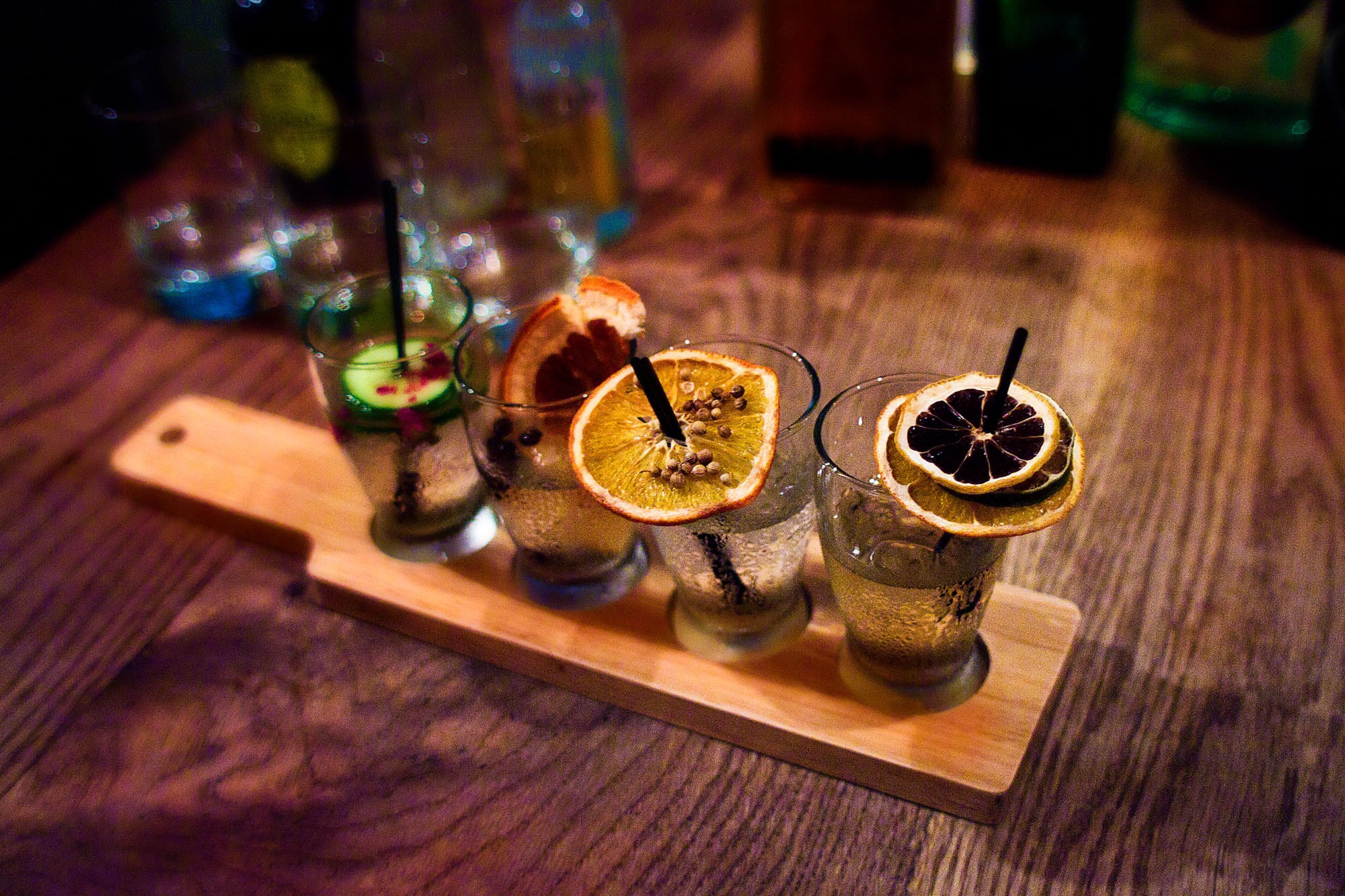
A strong seasonal menu does more than rotate a few drinks when the weather changes. In a well-run Gin Bar, it signals attentiveness. Guests can taste the shift from late winter citrus to spring herbs, from summer berries to autumn spice, and they remember the place because it feels alive rather than static. That kind of menu does not happen by accident. It is built through a mix of planning, tasting, costing, supplier relationships, and a fairly ruthless editing process.
Seasonal cocktail work also asks more of a gin-focused venue than it does of a general bar. Gin is broad, expressive, and often delicate. It can disappear under too much sugar, too much acid, or a fashionable but clumsy garnish. A seasonal menu has to celebrate the spirit while still giving people something new. The best versions feel inventive without becoming obscure.
That balance is where most of the real work sits.
Seasonal menus start long before the season
The public usually sees the menu on launch day. Behind the scenes, most bars begin thinking about the next seasonal shift six to ten weeks earlier, sometimes longer if they make their own infusions, preserves, or clarified components. If a team waits until the first warm weekend of spring to think about spring drinks, they are already behind.
The planning cycle usually begins with a basic question: what does the next season actually taste like in this room, for this crowd, in this city? That question matters because seasonality is local in practice, even when ingredients are imported. A coastal bar in a mild climate may treat winter as a season of herbs, citrus, and saline notes. A city bar with hard freezes may lean into stored orchard fruit, spice, smoke, and richer textures. There is no value in pretending every market experiences the same calendar.
Most experienced bar managers begin with broad sensory cues rather than exact recipes. Early spring might suggest freshness, snap, green aromas, floral lift, and lighter alcohol perception. Late autumn might call for structure, warmth, bitterness, gentle sweetness, and aromatic depth. Those cues guide ideation more effectively than saying, “We need six drinks by next month.”
At this stage, the smartest teams also look backward before they look forward. Sales reports, guest feedback, and staff notes tell you which drinks actually worked. A bartender may love a savory fennel and white pepper highball, but if it sold twelve copies in eight weeks while the grapefruit and thyme Collins sold two hundred, that is useful information. Seasonal creativity still has to survive service.
Gin sets both the opportunity and the limits
People outside the trade sometimes treat gin as a neutral base for seasonal flavor. It is not. The botanical profile of the gin determines what will sing and what will clash. Juniper remains the anchor, but everything around it matters, coriander, angelica, citrus peel, root spice, floral notes, tea notes, even salinity in some modern styles.
A Gin Bar with a serious seasonal program rarely develops recipes against a generic “house gin” alone. It tastes concepts across multiple styles. A London dry might sharpen green apple and basil. A softer contemporary gin might make room for strawberry and pink peppercorn. An olive-forward gin can carry savory tomato water in summer, while a citrus-led gin can keep a winter drink from feeling heavy.
This is one of the biggest differences between a generic cocktail menu and a true gin-focused one. The spirit itself is part of the seasonal architecture. If the drink would taste almost identical with vodka, it usually does not belong on a signature gin menu.
That point is worth emphasizing because menus can drift. Once a team falls in love with syrups, shrubs, cordials, and garnishes, gin can become an afterthought. Seasonality should never bury the identity of the bar.
Ingredient scouting is part market work, part restraint
Seasonal menu meetings often start with ingredients, but the best ideas come from selective ingredients, not from sheer volume. A new menu does not need every produce item that shows up at the market. In fact, too many ingredients usually create a confused menu and an exhausted prep list.
A practical approach is to identify a handful of ingredients that represent the season clearly and can be used in more than one way. Rhubarb is a good example. It can become a syrup, a cordial, a roasted garnish, or a lightly acidic base note when paired with strawberry or gentian. Fig works differently. It offers softness and richness, but it can flatten a drink if not balanced with bitterness or acid. Blood orange can feel luxurious for about three weeks, then every menu in town suddenly has blood orange everything.
This is where experience saves money. Seasonal ingredients are not automatically good cocktail ingredients. Some have weak aroma once diluted. Some oxidize too quickly for service. Some are expensive enough that a single failed drink can wreck margin across the menu. Fresh peach is a common trap. It sounds irresistible, but ripeness swings Gin Bar wildly, the flavor can vanish once shaken, and the usable window is frustratingly short. Often a peach leaf tincture or a controlled nectar delivers more consistent results than raw fruit.
A good bar team learns to ask three questions about any seasonal ingredient. Does it taste distinctive in a mixed drink? Can we prep it consistently at service scale? Will guests understand and order it?
If the answer to any of those is no, the ingredient may be better left off the menu.
The menu is shaped as much by operations as by flavor
Guests rarely see the operational side of a seasonal menu, but it determines whether great ideas survive opening weekend. A drink can taste brilliant at a staff tasting and still fail in live service if it needs seven touchpoints, two fragile garnishes, and a component that separates every fifteen minutes.
One of the most useful exercises in menu development is to test not only for taste, but for speed and repeatability. Can a newer bartender build the drink correctly on a busy Friday? Can the garnish survive refrigeration? Does the drink still taste balanced when made slightly colder, slightly warmer, slightly faster, slightly slower? These are not minor details. They are the difference between a memorable signature serve and a recipe that turns into staff frustration.
Experienced bar managers often cap the number of labor-intensive drinks on a seasonal menu. A few showpieces are healthy. An entire menu of showpieces is a staffing problem disguised as creativity. If every cocktail requires clarifying, dehydrating, smoking, and an herb picked to order, prep hours balloon and consistency drops.
This is especially important in a Gin Bar because guests frequently arrive with certain expectations. Some want a proper Martini. Some want a G and T with a thoughtful tonic and garnish. Some want a seasonal house drink. The bar has to support all three without letting the cocktail program become so elaborate that the fundamentals suffer.
How concepts become drinks
Most bars do not land on finished drinks in one pass. Development is iterative. A team may start with a mood or pairing and move through five or six prototypes before finding the version that belongs on the menu.
Imagine the target is a late spring serve built around fresh peas, lemon verbena, and gin. On paper, that sounds elegant. In practice, pea notes can become vegetal quickly, verbena can dominate if over-extracted, and the combination may need texture to avoid feeling thin. The first version might use a pea syrup and fresh lemon. Too sweet. The second might swap in a dry vermouth split. Better, but still grassy. The third might use blanched pea water, a small amount of saline, and a citrus-led gin, stirred rather than shaken. Suddenly the drink has shape.
That is normal. Menu development is a process of subtraction as much as invention. Most strong cocktails get better when one idea is removed.
Teams that work well together also argue productively. The head bartender may be chasing originality. The floor team may point out that the drink reads as confusing on paper. The general manager may worry that the cost of verbena is too high for what it contributes. None of those concerns are trivial. Signature seasonal menus are collaborative documents, even when one person writes the final recipes.
Naming matters more than bartenders like to admit
A seasonal drink can be excellent and still underperform if the name or menu description asks too much of the guest. This is one of the least glamorous parts of menu building, yet it has a direct impact on sales.
A name should create intrigue, not homework. If a guest has to ask for a translation, a backstory, and an explanation of three unfamiliar ingredients before they decide, many will simply default to a Negroni or Gin and Tonic. Descriptions should give enough sensory guidance to support choice. “Bright, herbaceous, crisp” does more work than a dense ingredient list with no emotional cue.
This does not mean dumbing the menu down. It means respecting the fact that most people order quickly, often socially, often while distracted. A signature seasonal menu needs some drinks that reward deeper curiosity, but it should also contain immediate appeal.
I have seen bars rescue a struggling cocktail simply by renaming it and rewriting the descriptor. Same liquid, different reception. That is not manipulation. It is communication.
The menu needs internal balance
One common mistake is making every seasonal drink chase the same mood. In early summer, for example, a team can become so enchanted with light, sparkling, floral drinks that the menu loses range. Not every guest wants delicate. Someone still wants bitter, boozy, savory, or spirit-forward.
A seasonal menu should feel coherent, but it also needs contrast. That usually means balancing length, sweetness, bitterness, alcohol style, and flavor family. A practical menu for a Gin Bar might include a bright highball, a savory long drink, a stirred aromatic option, a sour with fruit or herb character, and something low-ABV or aperitif-led. The exact categories matter less than the broader principle: variety drives both guest satisfaction and repeat ordering.
This is where senior staff judgment is valuable. A drink that looks redundant on paper may still deserve a place if it fills an emotional need. Guests do not think in technical slots. They think in cravings. Crisp or rich. Easy or serious. Familiar or adventurous.
Costing is where romance meets reality
Seasonal cocktails are vulnerable to margin drift because seasonal ingredients are often the least stable part of the cost structure. Berry prices swing. Herbs fail. Citrus quality changes. A menu can start profitable and quietly become weak if no one revisits actual pour cost after launch.
Bars that manage this well cost every recipe carefully, including wastage and garnish labor, then build in a margin of safety. A syrup made from a premium seasonal fruit is not just fruit and sugar. It includes trim loss, cook-down, staff time, refrigeration space, and spoilage risk. That matters. So does the fact that a signature garnish can cost more in labor than in product.
The sharper operators also think in terms of menu mix, not just individual drink margin. A lower-margin showpiece may make sense if it creates identity, photography, and conversation, while easier, higher-margin drinks support overall profitability. Seasonal menus are portfolios, not isolated recipes.
There is another financial consideration that experienced bars take seriously: dead stock. A niche liqueur purchased for one ambitious spring cocktail can become an expensive ornament if the drink underperforms. Whenever possible, smart menu design reuses specialty ingredients across several serves or ensures they can fold into classics and bartender calls after the season changes.
Staff buy-in determines whether the menu lives or dies
A seasonal menu is not really launched when it is printed. It is launched when the staff can speak about it naturally and recommend it with confidence.
Training matters here, but the best training is not rote memorization. Bartenders and servers need to taste the drinks, understand why they were built, and know what kind of guest each one suits. If a server can say, “If you like a Southside but want something drier and greener, this is the one,” that is infinitely more useful than reciting every ingredient.
It also helps when staff have a hand in development. Even small contributions create ownership. A garnish tweak suggested by a junior bartender, or a menu note refined by the floor team, often results in stronger advocacy on the floor.
A good pre-launch tasting covers more than flavor. It should address allergies, prep vulnerabilities, expected questions, and what to offer when a guest wants the seasonality of a menu drink but not the exact profile. That last part is especially relevant in a Gin Bar, where some guests love gin but dislike florals, while others want something citrus-led without strong juniper bite.
Seasonality is not only about produce
One misconception in bar culture is that a seasonal menu has to revolve around fruit and herbs. Produce is important, but seasonality can also come through texture, temperature, glassware, aroma, dilution, carbonation, and even lighting cues within the serve.
A winter gin drink can feel seasonal because it is built with warming spice, a richer mouthfeel, and a more aromatic service ritual, even if the base ingredients are not all locally harvested. A summer drink can feel seasonal because it is cold, lifted, lightly bitter, and lengthened with precise carbonation. The emotional temperature of a cocktail matters.
This becomes useful when fresh ingredients are limited, inconsistent, or overpriced. Preserved citrus, teas, dried botanicals, verjus, honey, and fortified wines can all express season beautifully when used with care. Some of the most distinctive seasonal gin drinks rely less on raw fruit than on thoughtful structure.
Testing with real guests reveals what the team missed
No menu survives first contact with the public unchanged. A soft launch, even an informal one, can expose blind spots quickly. Maybe a drink that seemed perfectly balanced in staff tasting reads too tart after dinner. Maybe the garnish on a highball slows service more than expected. Maybe guests keep ordering the floral drink expecting sweetness, but it drinks dry.
The bars that improve fastest pay attention without panicking. Not every low seller is a bad drink. Placement on the menu, weather, staff confidence, and even the first few guests of the night can shape momentum. But patterns matter. If guests repeatedly ask for a sweeter version, a shorter description, or a different glass, those are signals.
One of the healthiest habits is to hold a review meeting two weeks after launch. By then, there is enough service data and anecdotal feedback to make informed adjustments. Sometimes the right move is simple, a smaller garnish, a rewritten descriptor, a different gin expression. Sometimes it is more decisive, pulling a drink entirely.
There is no shame in cutting a cocktail that does not earn its keep. Seasonal menus should stay agile.
The strongest signature menus tell a story without becoming theatrical
Many bar teams want their seasonal menu to have a concept. That instinct is sound, but concepts need discipline. A menu inspired by local gardens, coastal weather, old perfume structures, or regional preserves can be compelling. A menu weighed down by elaborate lore usually becomes exhausting.
Guests appreciate a point of view. They do not necessarily want a manifesto.
The sweet spot is a menu that feels connected by taste, mood, and presentation. Maybe spring leans into green herbs, blossoms, and pale bitters. Maybe autumn explores orchard fruit, seed spice, and vermouth. The story is there, but the drinks still stand on their own. Each one should justify its slot even if the guest never notices the overarching theme.
That is often the mark of a mature Gin Bar. It knows how to create identity without forcing performance.
Why some seasonal menus are memorable and others are forgettable
The memorable ones are precise. They know what season they are speaking about, who they are serving, and what role gin plays in the glass. They use fresh ingredients with discipline, not with a sense of obligation. They account for prep, margin, staff communication, and guest behavior. They leave room for delight, but they are built on practicality.
The forgettable ones usually make one of two mistakes. Either they become so cautious that every drink feels like a lightly modified classic with a new garnish, or they become so concept-heavy that the guest can admire them more easily than enjoy them. Both failures come from losing sight of the bar’s actual job.
A signature seasonal menu should make people want another round.
At its best, this work has a kind of quiet confidence. A guest sits down in October and orders something with gin, pear, dry sherry, and bay. The drink arrives cold, fragrant, and exactly balanced, with nothing extra fighting for attention. It tastes like the season, but it also tastes unmistakably like the house. That is what a seasonal menu is trying to achieve every time. Not novelty for its own sake, but recognition, surprise, and a clear sense that someone behind the bar knew exactly what they were doing.
The Winslow
243 E 14th St
New York, NY 10003, United States
Phone: +1 212-777-7717
FAQ About Gin Bar
How to do a gin tasting?
Start with a small pour and gently smell the gin before taking a small sip. Notice its juniper, citrus, floral or spice notes, then compare how the flavor changes with a little water or tonic. At a gin bar, ask the bartender to explain the selection and botanical pairings.
How to make the best tasting gin and tonic?
Use chilled gin, fresh tonic and plenty of ice. A common starting ratio is one part gin to two parts tonic, adjusted to taste. Choose a garnish that complements the gin's botanicals and stir gently to preserve the bubbles.
What is the smoothest tasting gin?
There is no single smoothest gin for everyone. Perceived smoothness depends on the botanical recipe, alcohol strength, serving temperature and mixer. Describe whether you prefer citrus, floral, herbal or juniper-forward flavors so a bartender can suggest a suitable style.