Bar With Private Room Design Features That Impress Guests
A great bar can serve good drinks and still feel forgettable. A great private room inside a bar has a harder job. It has to feel distinct without becoming disconnected, elevated without becoming stiff, and memorable without relying on gimmicks. When the design gets those balances right, guests notice it immediately, even if they cannot quite explain why.
That is what separates an ordinary event space from a Bar With Private Room that people talk about afterward. The impression rarely comes from one expensive finish or one dramatic light fixture. It comes from a sequence of smart decisions, acoustic control, sightlines, comfort, service access, lighting mood, and details that make a room feel considered rather than improvised.
Owners often focus first on capacity and revenue, which makes sense. A private room has to earn its square footage. But from a guest perspective, the metrics that matter look different. They remember whether conversations felt easy, whether the room had energy without noise, whether the seating worked for their group, whether the service felt seamless, and whether the space looked good in person and in photos. Design shapes every one of those outcomes.
Privacy that feels intentional, not isolated
The first expectation in a private room is obvious: privacy. Yet a surprising number of venues get this wrong. They either underdeliver, with flimsy partitions and noise leakage, or overcorrect, creating a sealed box that feels detached from the life of the bar.
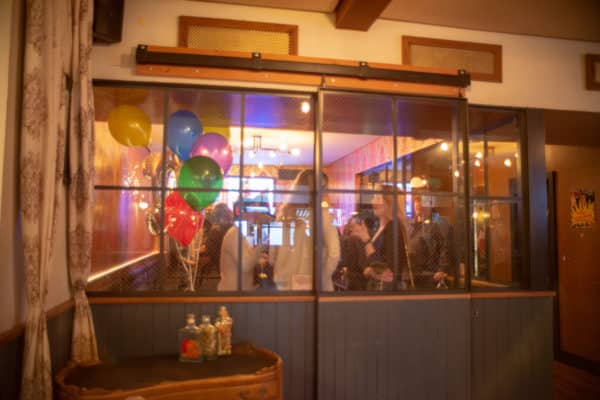
The strongest designs create what I think of as layered privacy. Guests should feel protected from interruption, but still aware that they are in a lively venue. Frosted glass, timber slats, upholstered wall panels, heavy drapery, and vestibule-style entries can all help. The best choice depends on the character of the bar. A sleek cocktail venue might lean toward smoked glass and brass-framed doors. A neighborhood whiskey bar may feel more natural with paneled wood, textured walls, and dense curtains.
A common mistake is relying on visual separation alone. A room may look private from the floor, yet still carry every laugh, toast, and phone call into the main bar. Acoustics need their own strategy. Insulated walls, solid-core doors, soft finishes, and ceilings designed to absorb rather than reflect sound make a real difference. Guests might not identify the technical reasons, but they absolutely notice the result. They lean in less, they repeat themselves less, and the room feels more luxurious because people can relax into conversation.
At the same time, complete sensory isolation can drain energy. If the room feels like a conference box at the back of a restaurant, the experience loses what makes a bar special. A little borrowed atmosphere matters. Seeing a glow from the main room, hearing a low murmur rather than a roar, or catching a glimpse of the bottle display through textured glass keeps the private room connected to the larger identity of the venue.
Lighting that flatters people and sets a pace
Lighting is one of the fastest ways to make a private room feel expensive, even when the budget is moderate. It is also one of the easiest ways to get wrong. Overhead downlights alone create a harsh, flat effect that makes guests look tired and the room feel clinical. Decorative fixtures alone can be beautiful, but not practical. The impressive rooms layer light.
A strong lighting plan usually combines ambient glow, task lighting where drinks or menus are handled, and some form of accent lighting that adds depth. Wall sconces, concealed coves, backlit shelves, pendants over a central table, and small lamps can work together if they are dimmable and balanced. The important part is control. A room used for birthdays, client dinners, rehearsal celebrations, and holiday parties needs to shift mood throughout the evening.
I have seen private rooms transformed by a simple change from fixed lighting to preset scenes. Early evening starts brighter so people can settle in, read menus, and greet each other comfortably. As the event progresses, the room warms and dims slightly, giving it a more intimate cadence. That change feels subtle in the moment, but it shapes the entire emotional rhythm of the night.
The other practical issue is color temperature. If the light is too cool, skin tones suffer and the room feels commercial. If it is too amber, everything can look muddy, especially food and cocktails. Many successful bars land in the warm range while still preserving clarity. Guests may never mention Kelvin temperatures, but they will comment that the room felt inviting and that the photos turned out well.
Seating that matches how people actually gather
Private room seating often reveals whether a design was led by real hospitality experience or by floor-plan theory. On paper, a fixed banquette wrapping every wall can maximize seats. In practice, that same layout may make it awkward for guests to mingle, impossible for servers to move elegantly, and uncomfortable for anyone stuck in a corner for two hours.
Impressive private rooms plan for multiple social modes. People do not sit still in one pattern all night. They arrive in clusters, stand to greet each other, shift seats after a round, gather around a birthday cake, and split into smaller conversations. A room that only works in one arrangement becomes frustrating fast.
This is where flexibility matters more than novelty. Movable tables, a mix of banquette and loose seating, occasional perch points for standing guests, and enough circulation space to move without bumping glasses can dramatically improve the experience. The room should still feel composed when reconfigured. That takes planning. Electrical outlets, service stations, and lighting focal points need to support more than one setup.
There is also a comfort threshold that many designers underestimate. Seat height, cushion density, table edge spacing, and back support affect dwell time. Guests may forgive a slightly cramped main bar because the atmosphere is part of the trade. In a private room, where they are paying a premium or meeting for a specific purpose, comfort matters more. If the chairs look beautiful but become punishing after forty minutes, the room will not earn repeat business.
Materials that age well and still look special at night
Bar design lives under hard conditions. Drinks spill. Ice melts. Rings from glassware appear. Bags scrape walls. Heels hit foot rails. A private room has to survive all of that while still feeling refined. The most impressive spaces use materials that deepen with use rather than fall apart under it.
Natural wood is a favorite for good reason. It brings warmth, absorbs some sound, and photographs well in low light. But species, finish, and placement matter. A delicate, high-gloss finish may look pristine on opening night and exhausted within months. More forgiving finishes, textured grains, and darker stains often hold up better in hospitality settings.
Stone can elevate a room, particularly on tables or ledges, though highly polished surfaces can show every smudge under directional light. Upholstery is another major decision point. Velvet, leather, performance fabric, and woven textiles each create a different atmosphere. Velvet reads plush and moody, leather can feel timeless and resilient, and high-quality performance fabrics now perform far better than many people expect. The trick is choosing materials that suit the concept and traffic level. A private room in a high-volume urban cocktail bar will have different needs than one in a slower-paced wine venue.
The tactile mix matters almost as much as the visual one. Rooms that impress tend to balance hard and soft surfaces. Too many hard finishes and the room becomes loud and cold. Too many soft finishes and it can feel dull or overdesigned. Texture does quiet work. Ribbed wood, matte metal, woven upholstery, plaster walls, stitched leather, and heavy drapery create depth without shouting for attention.
Sound control is the feature guests remember most
People rarely book a private room because they want to admire its wall treatment. They book it because they want a better social experience. Nothing supports that experience more reliably than good acoustics.
In many projects, acoustics get treated as a technical afterthought. Then the space opens, and the room sounds like a drum. Once a room is live and reflective, everything gets harder. Guests raise their voices, which raises the room volume, which forces everyone else to raise theirs. Within an hour, the atmosphere tips from lively to tiring.
The best private rooms absorb sound in places guests do not consciously register. Upholstered seating helps. So do acoustic panels integrated into wall detailing, padded ceiling elements, area rugs where appropriate, and curtains with enough mass to do more than decorate. Even the shape of the room matters. Long, narrow boxes can create odd reflections. Very high ceilings may look dramatic but can work against intimacy unless treated carefully.
One of the easiest tests is simple: stand in the room empty and clap once. If the sound slaps back sharply, the room will likely struggle when full. If the sound decays quickly, you are closer to the mark. It is not a substitute for formal acoustic design, but it often tells you whether the finishes are working for or against you.
A service plan that stays mostly invisible
Guests love effortless service, but that ease comes from design discipline. A private room can be gorgeous and still fail if every round requires servers to weave through packed chairs, disappear across the venue for ice, or interrupt speeches because there is nowhere discreet to stage glassware.
The room needs a service logic. Ideally, that includes a route for staff that does not cut through the center of every interaction, a nearby staging area for bottles and garnishes, and enough surface area for clearing and resetting without clutter. In a stronger operation, there is also some thought given to how the room transitions between phases of service. Welcome drinks, passed bites, seated service, cake presentation, and late-evening rounds each require slightly different movement patterns.
A separate mini bar inside the room can be a real asset, but only if it is sized and equipped properly. A decorative back bar with no ice access, no dump sink, and no undercounter refrigeration often creates more theater than efficiency. On the other hand, a well-designed built-in station can shorten ticket times, reduce staff traffic, and make the room feel truly premium. Guests notice when their space has its own rhythm rather than competing with the main bar for attention.
Visual anchors that give the room identity
A Bar With Private Room should not feel like the leftover square footage behind the main event. Guests should sense that the room has its own point of view. That identity usually comes from one or two visual anchors, not ten.
Sometimes it is a statement back bar scaled for the room, smaller than the main bar but still detailed and expressive. Sometimes it is a dramatic central chandelier, a commissioned mural, a sculptural ceiling treatment, or a fireplace element in climates where that makes sense. The key is proportion. In a private room, oversized gestures can overwhelm quickly. The room should still belong to the guests, not to the fixture.
I have seen smaller spaces made unforgettable with very restrained moves. A single wall of fluted walnut, softly lit from above, can be more effective than a room packed with decorative signals. A custom brass shelf displaying rare spirits behind reeded glass can create a sense of exclusivity without becoming flashy. The goal is to give people something they remember when they describe the room later.
These anchors also matter commercially. Private events are photographed heavily. Hosts want a background that reads special. If every angle of the room looks like generic overflow seating, the venue misses one of the strongest word-of-mouth opportunities in hospitality.
Technology that supports the event without taking over
Technology is often where good hospitality spaces lose their soul. Screens dominate walls, cables snake across floors, and speakers hum with setup frustration. Yet private rooms do need certain tools. Corporate groups may require presentations. Birthday parties may want playlists. Engagement dinners might need a short toast over a microphone. The design challenge is integrating those functions quietly.
The cleanest private rooms hide technology until needed. Displays can sit behind art panels or within millwork. Speakers can be built into the ceiling or wall details. Charging outlets can be tucked into banquettes or credenzas. Lighting controls should be intuitive enough that staff can operate them quickly without trial and error.
Here are the technology features that tend to earn their keep:
- Dimmable lighting presets for different event moods
- Integrated speakers with independent room volume control
- Hidden power access near tables and lounge seating
- A discreet display option for presentations or slideshows
- Reliable climate control that can be adjusted separately from the main bar
That last point deserves more attention than it usually gets. Temperature can ruin a room faster than a weak playlist. Private rooms often fill quickly, especially if the door stays closed and lighting runs warm. If the HVAC cannot adapt to occupancy, the space gets stuffy within minutes. Guests may not say the design is bad, but they will absolutely leave earlier, drink less comfortably, and remember the room as oppressive.
The entrance sets the expectation
The walk into a private room is part of the experience. If the entrance feels like a staff corridor or a forgotten side door, the room starts at a disadvantage. If the transition is handled well, guests feel a shift in status and occasion before they sit down.
That does not require grand architecture. Sometimes a slightly narrowed passage, a curtain reveal, a change in flooring, or a framed threshold is enough. What matters is signaling that guests are entering somewhere distinct. The transition should feel smooth for staff and meaningful for the group.
Hosts are especially sensitive to this moment. They want their guests to feel they are being brought somewhere chosen, not parked in the back. A well-designed approach helps the event feel curated, which is half the battle in private hospitality.
Scale, proportion, and the danger of overfilling
The temptation with private rooms is to maximize occupancy. More seats can mean more revenue, at least in theory. In practice, overcrowding is one of the fastest ways to cheapen a space that was expensive to build.
Good rooms leave enough breathing room around furniture and at the perimeter. Guests should not need to stand up every time someone exits. Servers should not twist sideways to deliver glassware. Doors should clear without hitting chairs. Those seem like basics, but they are often compromised late in the process when another two-top or four extra banquet seats start looking financially attractive.
The most successful capacities usually come from honest testing. Set the room exactly as it would be for a real event. Seat people. Serve drinks. Have someone cross the room with a tray. Open the door. Run a toast. Move https://martinmsqr255.swiftnestly.com/posts/bar-with-private-room-ideas-for-festive-seasonal-events two guests from one side to the other. Problems show themselves quickly when a space is used rather than admired on plan.
One rule of thumb holds up well: if a room only functions when every guest stays still, it is overfilled.
Design details that quietly communicate quality
Some of the most persuasive design features are almost invisible when done well. Door hardware with a satisfying weight. Coat hooks placed where guests actually need them. Shelves that can hold handbags without cluttering the floor. Restroom access that feels nearby and clear. A credenza that gives hosts a place for gifts, name tags, or a cake. None of these details are glamorous, yet they strongly shape how polished the room feels.
The same goes for finishes at touch points. Table edges should feel substantial, not sharp. Banquette heights should allow comfortable dining posture. Menus need enough light to read without a phone flashlight. If windows are present, shades should control glare and street visibility without making the room feel sealed off in daytime bookings.
The rooms that impress most tend to get small things right repeatedly. That consistency builds trust. Guests stop noticing friction because there is so little of it.
Matching the room to the bar’s personality
A private room should carry the DNA of the venue, not abandon it. If the main bar is dark, intimate, and cocktail-driven, a bright beige event room with generic banquet chairs will feel like a broken promise. If the bar is energetic and modern, an overly formal private room may feel out of tune.
Consistency does not mean duplication. The private room can be quieter, richer, or more tailored than the main floor. In fact, it should be. But the language of the space needs to match. Materials, palette, lighting character, music level, and service style should all feel related.
That is particularly important for repeat guests. People often choose a private room because they already like the main bar. They are not just buying square footage. They are buying a more exclusive version of a place they trust. The design should reward that expectation.
What guests notice first, and what brings them back
When guests first enter a private room, they react to mood. Light, spaciousness, texture, and the sense of occasion hit immediately. Within fifteen minutes, they notice comfort and sound. By the end of the night, what they remember is whether the room made socializing easy and whether the service flowed naturally.
If you are evaluating a Bar With Private Room, these are the design signals most worth watching for:
- Conversations feel easy even when the event gets lively
- The room has a clear identity without losing the bar’s character
- Seating supports both dining and mingling
- Lighting makes people look good and can shift through the evening
- Staff can serve efficiently without intruding on the group
That combination is what truly impresses guests. Not extravagance for its own sake, and not trend-chasing details that date quickly, but a room that understands what hospitality is supposed to feel like. The best private rooms invite people to stay longer, speak more freely, celebrate more comfortably, and leave feeling they had access to something set apart.
For operators, that kind of design pays back in repeat bookings and stronger reputation. For guests, it creates the rare experience of feeling both looked after and left alone. That is the sweet spot, and when a private room hits it, people remember far more than the drinks.
The Winslow
Address: 243 E 14th St, New York, NY 10003
Phone number: +12127777717
FAQ About Bar With Private Room
Which bars in NYC offer private rooms?
Many bars in New York City offer private and semi-private rooms for parties and events, ranging from hidden basement speakeasies to upscale lounge spaces. Top options include The Back Room on the Lower East Side, Dear Irving Gramercy, Pebble Bar in Midtown, Mister Paradise in the East Village, and The Winslow in the East Village.
What is a private room in a pub called?
A small, private seating area or partitioned booth in a traditional pub is most commonly called a snug. Larger private rooms used for events, parties, or dining are typically referred to as private dining rooms, function rooms, or back rooms.
How much does a 2 hour open bar cost?
A 2-hour open bar generally costs between $15 and $45 per person, depending heavily on the quality of alcohol you choose. For a standard group of 100 guests, this translates to an overall cost of $1,500 to $4,500 before taxes, setups, and staff gratuities.